May, 2026
A lot of development projects fail on capital
The concept works. The site is right. Financing comes up short.
On May 18, the SBA announced that borrowers can now combine a 7(a) and a 504 loan for up to $10 million in SBA-backed financing. The rule takes effect July 4. The previous combined ceiling was $5 million.
That’s the highest combined limit in agency history.
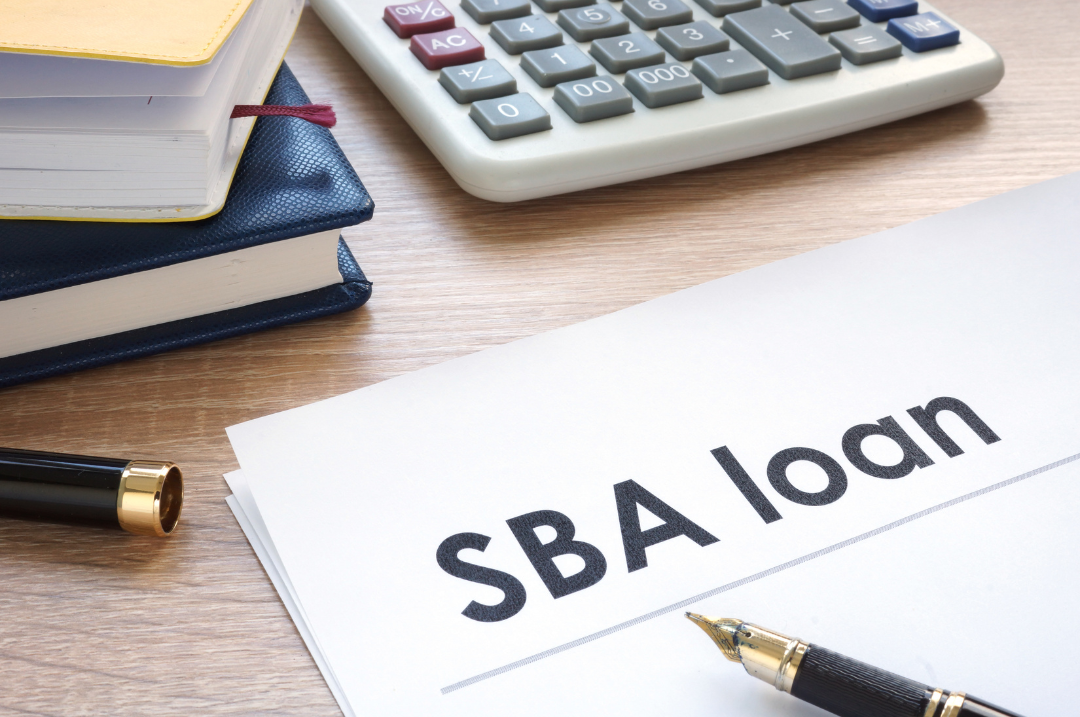
Why the 504 matters for development
The SBA 504 is already one of the primary vehicles for owner-occupied commercial construction. Fixed long-term rates, down payments as low as 10%, and repayment terms up to 25 years on real estate.
It’s been the financing path for developers building facilities they intend to occupy: medical offices, industrial buildings, flex space, manufacturing plants. The $5 million ceiling was where deals stalled.
What changed

Under the new rule, a qualified borrower can access up to $5M through the 504 program and up to $5M through a 7(a) loan, combined. The 7(a) is secured first; the 504 follows.
Projects that previously needed conventional debt to bridge the gap, or that couldn’t reach a viable capital stack at all, now have a cleaner path. That’s a real change for capital-intensive development in construction, logistics, food production, and manufacturing.
What it means for your land
More accessible capital for developers means more buyers who can act on development-ready sites. More buyers means stronger demand. And demand has a direct effect on land value.
Sites positioned for owner-occupied commercial or industrial use are especially well-positioned right now. The buyers most likely to use SBA financing, owner-operators, regional developers, and manufacturers, are the same buyers chasing sites in markets with strong growth fundamentals.
There’s also a cost window worth knowing about. Through September 30, 2026:
- 7(a) loans up to $950,000 carry a 0% upfront fee
- All 504 manufacturing loans carry 0% upfront fee and 0% annual service fee
The rates are the same. The cost to close is lower. For sites targeting manufacturing or industrial users, that window is open now and closes at the end of the fiscal year.
The near-term opportunity
The SBA change won’t move every deal. But for land with real development potential: the right use, the right location, the right site conditions; the financing environment just improved materially.
Landowners who understand how capital availability affects buyer demand are better positioned to time a sale, attract the right buyer, and negotiate from a place of clarity.

What PLD does
Park Lake Development helps landowners understand what their land can become, and how market conditions like this one affect the value of their sites. If you want to know where your land stands, reach out.
Sources
SBA announcement, May 18, 2026 (effective July 4, 2026). SBA FY2026 fee structure, effective October 1, 2025 through September 30, 2026.