April, 2026
Most landowners price their land based on what they paid for it, what a neighbor sold for, or what an online tool spat out. None of those approaches reflects what your land can actually become, and that gap can cost you significantly at closing.
Before a single buyer conversation happens, you need to understand your land’s true development potential.
The Mistake Most Sellers Make
Selling land is not like selling a house. Comparable sales only tell part of the story. No two parcels are the same, and the variables that shape development feasibility, density allowances, infrastructure access, zoning classification, and proximity to growth corridors can shift a land value dramatically in either direction.
Many landowners price based on personal expectations rather than market reality, often assuming their property is worth more because of sentimental attachment or speculative development potential.¹ When that assumption meets a developer’s feasibility model, it rarely holds.
What Developers Are Actually Evaluating
When a developer looks at your land, they are not thinking about what it is today. They are running numbers on what it can become.
Density is one of the first filters. Land that accommodates apartment construction will generally command a higher price per acre than land that only allows for one single-family unit per acre.² Zoning classification sets the ceiling on that density, which is why understanding your current entitlement status is so critical before you go to market.
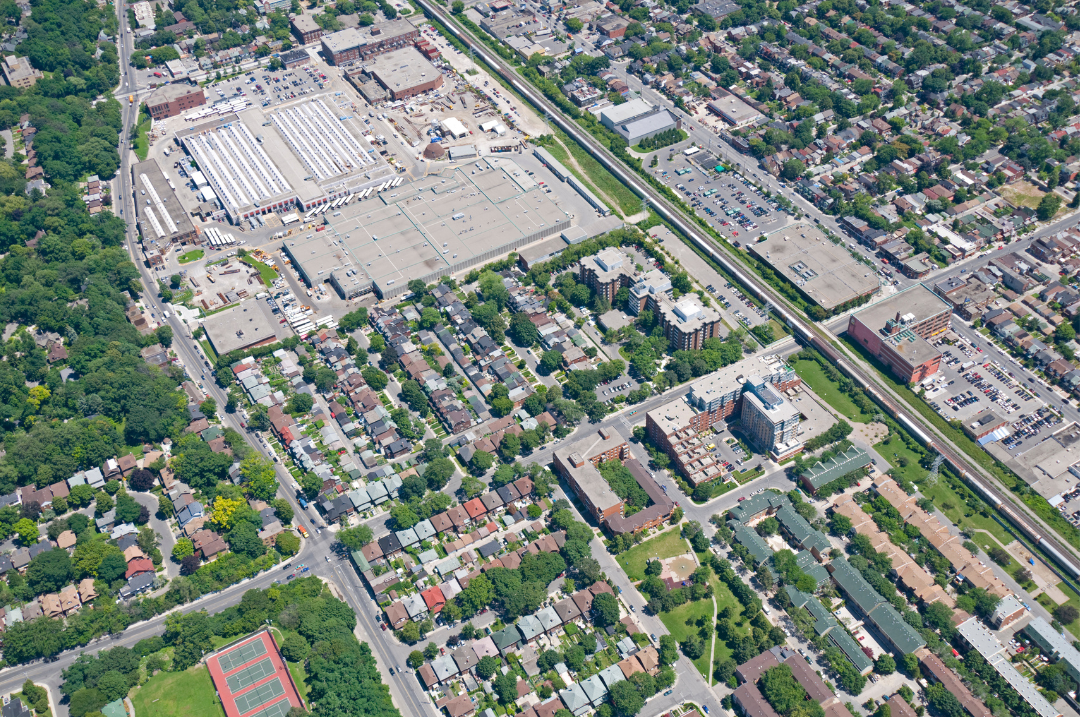
Infrastructure access matters just as much. Proximity to utilities, roads, and public services directly affects a developer’s cost basis. Properties without road access can lose 40 to 60 percent of their value³ compared to serviced alternatives. That is not a negotiating footnote; that is a fundamental valuation input.
The Upside of Entitlement Work
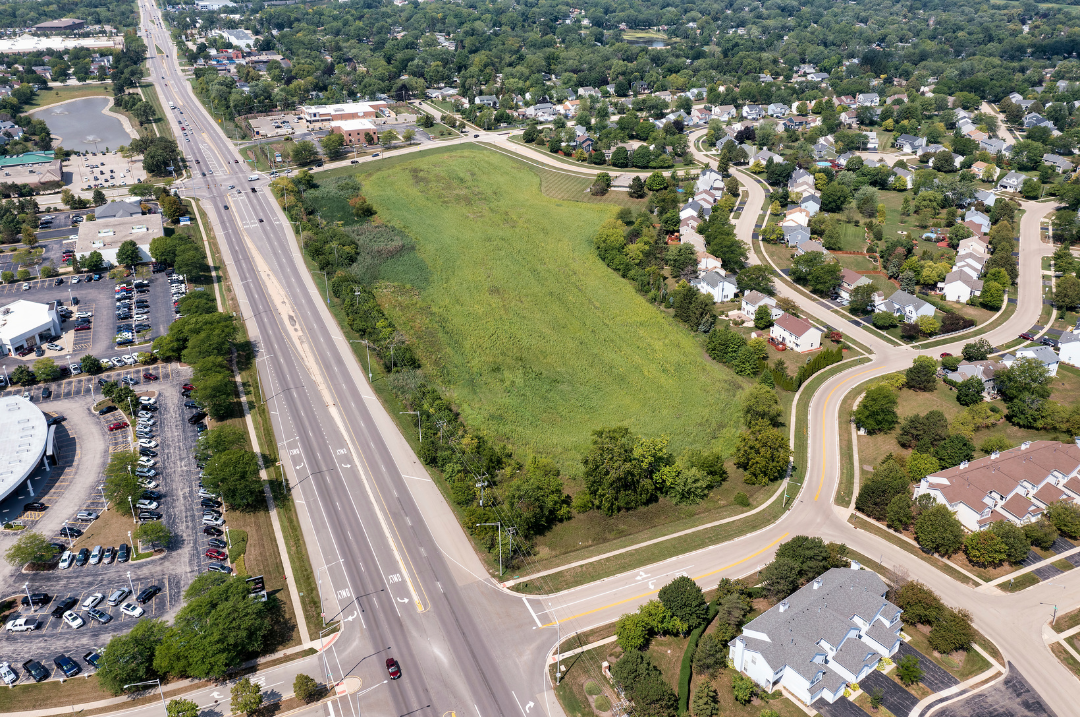
Landowners who invest in understanding their zoning position before selling consistently capture more value. Rezoning may be required to achieve a land’s highest and best use, and while it adds risk to the entitlement process, it will often result in a higher sales price.²
That does not mean every landowner should pursue a full entitlement before going to market. But it does mean every landowner should at least know what their land is eligible for, what a rezoning could unlock, and what buyers in the current market are willing to pay for each scenario.
Agricultural land rezoned for residential or commercial use can increase several-fold in price.⁴ Understanding where your parcel sits on that spectrum is not optional; it is the foundation of a sound sales strategy.
Timing and Market Position
The land market in 2025 is rewarding sellers who come prepared. Land with long-term development potential remains attractive as a strategic hold, even as elevated mortgage rates have cooled other segments of the real estate market.⁵ Buyers are active, but they are also disciplined. Listings without a clear use narrative, or that cannot speak to entitlement status and site readiness, sit longer and negotiate lower.
Sellers who entered negotiations with pre-compiled appraisals and comparable data were significantly more likely to close without concessions.³ Preparation signals confidence, and confidence closes deals at better prices.
Know Before You Sell
The landowners who leave value on the table are not the ones with bad land. They are the ones who went to market without understanding what their land could support, who the right buyer pool was, and how to position the asset for its highest and best use.
That analysis is not complicated, but it requires the right expertise and a market-driven lens.
Park Lake Development works with landowners to evaluate development potential, understand entitlement pathways, and build a positioning strategy before the sale process begins. If you are considering selling, the most valuable conversation you can have is the one that happens before you list.
Sources
¹ Unity Knows. “How Land Value Is Determined: What Influences Your Land’s Price.” May 22, 2025. https://unityknows.com/blog/how-land-value-is-determined
² Marsh & Partners. “3 Tips for Maximizing Land Value When It’s Time to Sell.” November 25, 2022. https://marsh-partners.com/blog/3-tips-for-maximizing-land-value-when-its-time-to-sell-capturing-the-highest-best-use
³ Active Acres. “Avoid These 15 Mistakes When Selling Land in 2025.” May 7, 2025. https://activeacres.com/avoid-these-15-mistakes-when-selling-land-in-2025
⁴ Active Acres. “Determining Land Value in 2025: A Practical Guide for Landowners in the U.S.” May 6, 2025. https://activeacres.com/determining-land-value-in-2025-a-practical-guide-for-landowners-in-the-u-s
⁵ Swan Land Company. “2025 Land Market Outlook: What Buyers and Sellers Need to Know.” March 25, 2025. https://www.swanlandco.com/2025/03/25/2025-land-market-outlook