August, 2026
Entitling a modest 50-unit residential parcel can run $200,000 to $600,000 and take anywhere from one to five years before a single shovel hits the ground.¹ That is the number worth sitting with, because a deal that looks like an obvious win and a deal that quietly drains capital for years often look identical on the day you first walk the site.
The difference is rarely the land. It is whether anyone asked the hard questions before the excitement took over.
Falling in love is the expensive part
Every experienced developer has done it. A parcel checks the emotional boxes, the location feels right, the vision is easy to picture, and momentum builds before the analysis does. From that point forward, every piece of due diligence gets quietly bent to justify a decision that has already been made.

That is how good operators end up defending bad deals. The sunk cost of a survey, an option payment, or three months of attention starts to feel like a reason to keep going rather than a reason to stop. Feasibility done properly happens before the attachment, not after it.
The questions feasibility actually answers
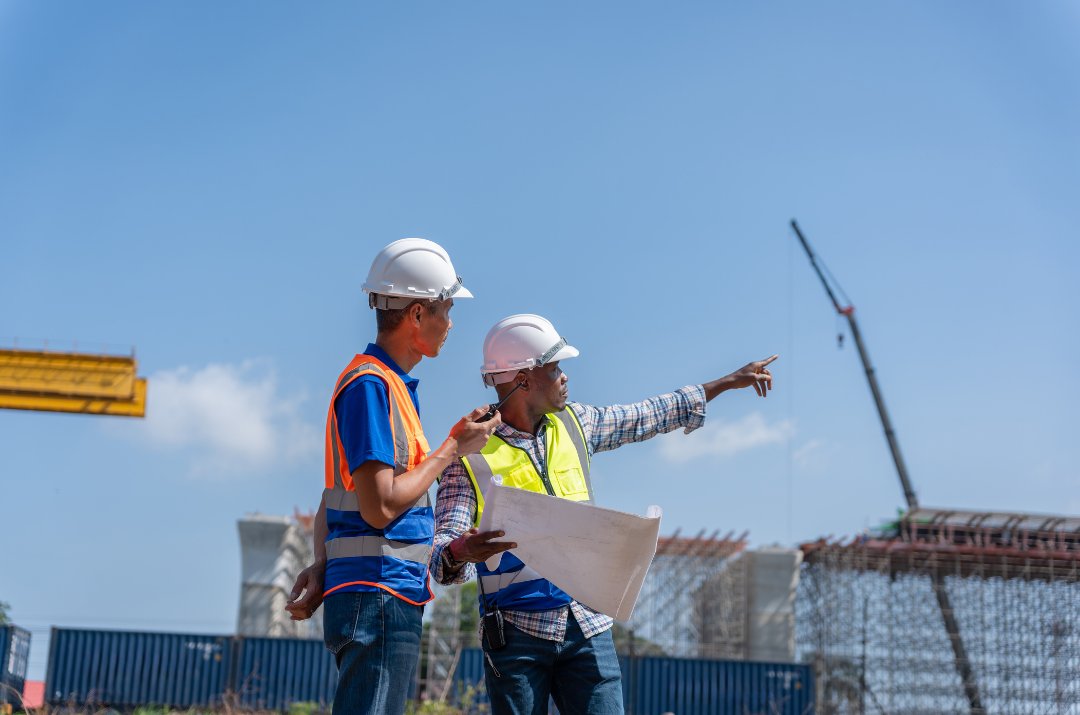
Feasibility is not a formality you clear on the way to closing. It is the discipline of pressure-testing the story you are telling yourself about a piece of land. A few questions do most of the work.
What can this land legally become, and how hard is the path to get there? Current zoning is a starting point, not an answer. A rezoning or entitlement can multiply a parcel’s value, but the timeline and political reality behind it are where deals live or die.
Is the site actually ready to build? Utility infrastructure alone, water, sewer, storm drainage, and power, can range from roughly $80,000 to well over $1 million on a mid-size Florida subdivision, and total per-lot development costs commonly land between $25,000 and $100,000.² Drainage, soils, and access quietly decide whether a parcel pencils.
Does the market want what the highest and best use suggests? Florida has been the fastest-growing state in the country, expanding 8.2% since 2020 according to U.S. Census Bureau data.³ Growth creates demand, but demand is specific. The right use in the wrong submarket is still the wrong deal.
Run the numbers before the narrative
Smart landowners and developers front-load the questions that can kill a deal. They take a pre-application meeting with the local planning department before spending real money, so obstacles surface early rather than after the checks clear.¹
They price the full cost of readiness, not just acquisition, and they treat holding costs as a live number, since carrying an entitled parcel can quietly cost tens of thousands of dollars a year while approvals grind forward.¹ Most importantly, they let the analysis lead. If the feasibility work says no, that is a successful outcome, not a failed one. A deal you walk away from cleanly is far cheaper than one you spend two years learning from.
The takeaway
A parcel’s potential is real, but so is its risk, and both are invisible until you ask the right questions in the right order. Feasibility is what converts a compelling story into a market-driven decision. Do that work before you fall in love, and the land tells you what it is instead of what you hope it might be.
PLD helps landowners and developers understand what a parcel can truly become, and whether the path to get there holds up, before the capital and the emotion are committed.
Sources
- Serious Land Capital, “Land Entitlement Costs and Process: What Investors Need to Know.” https://seriousland.capital/land-financing-investment/land-entitlement-costs-and-process-what-investors-need-to-know/
- Well Built Florida, “Land Development Cost Guide and Price Ranges 2026.” https://wellbuiltflorida.com/land-development-cost-price-ranges/
- U.S. Census Bureau population estimates, as reported in Florida Trend, “Florida’s population soars past 23.3 million, among fastest-growing states.” https://www.floridatrend.com/article/42008/floridas-population-soars-past-233-million-among-fastest-growing-states/