September, 2026
A broker can tell you what your land could be worth. The harder question is who will do the work to get it there.
Most land value sits in that gap, and that’s where Park Lake Development does its work.
The Difference Between an Estimate and a Plan
Most landowners start with a number. A broker runs comps. A builder makes an offer based on what they could build tomorrow. Then the owner decides whether the number feels right.
The problem is that both numbers price the land as it sits today. Neither one tells you what the property could become with the right zoning, entitlements, and site plan, or what it would take to get there.
Why the Gap Exists
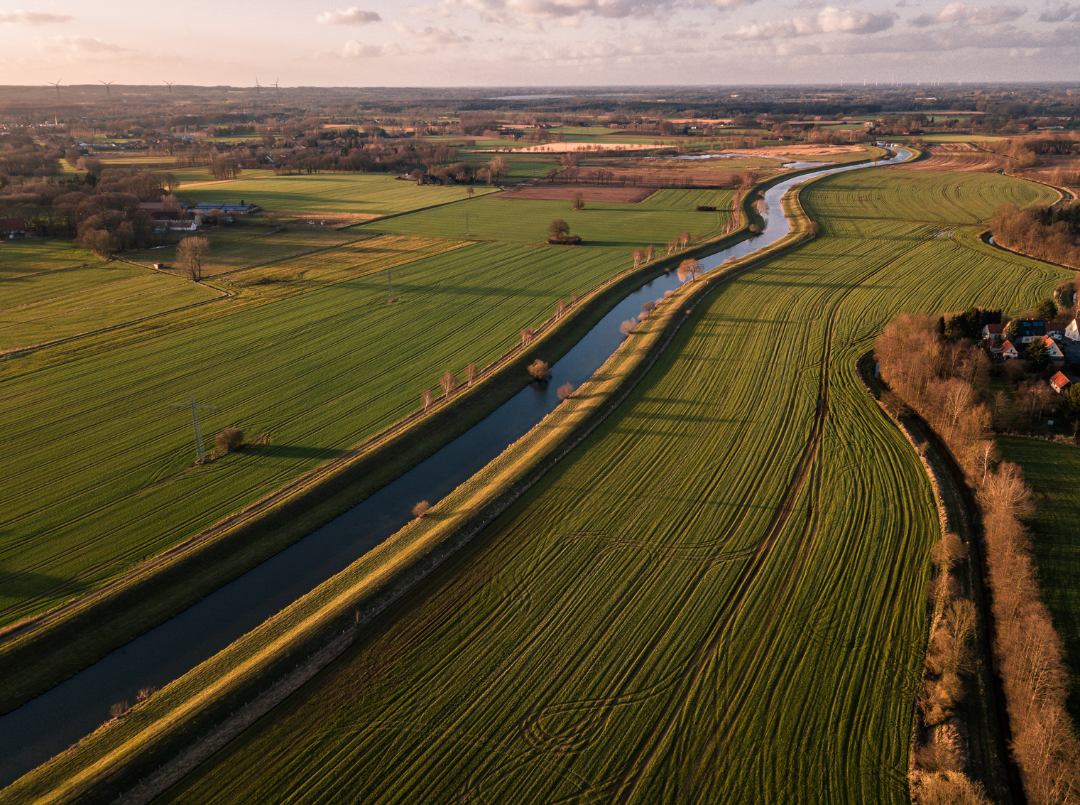
Land doesn’t gain value on its own. It gains value as risk comes off the table. Every unknown, from zoning to utilities to how many lots actually fit, is something a buyer discounts for.
Those unknowns cost real money. The National Association of Home Builders found that regulation during land development adds $46,795 to the price of the average new single-family home. That’s part of $131,734 in total regulatory costs, which now make up 26.4% of the average sales price.¹ When a buyer takes on that process, they price it into the offer they make you.
What Creating Value Actually Looks Like
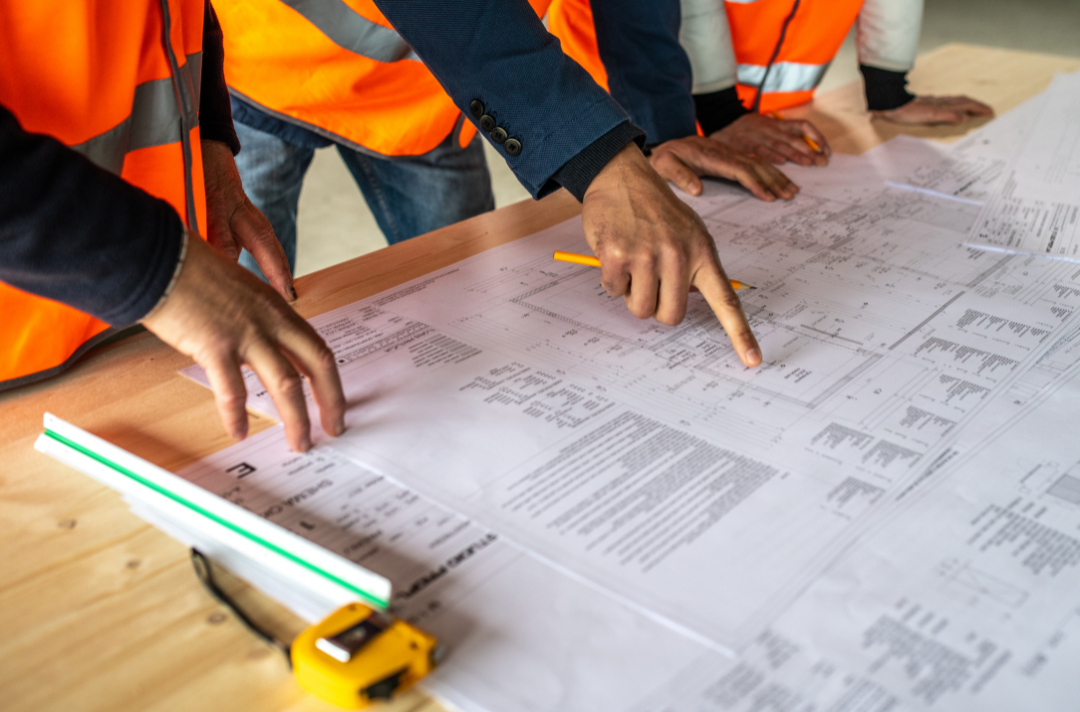
It starts with learning everything you can about the property as it stands today, both the good and the bad. Due diligence done early costs far less than surprises found late.
Next comes looking beyond the property line. What’s being built nearby, where roads and utilities are headed, and where demand is growing should all shape the project. A plan that ignores the market won’t hold its value.
Then you have to do the realistic math. “Just because you have entitlements to do a certain number doesn’t always mean you will have the room to fit them all,” David Gritton, PLD Managing Partner, says. Setbacks, stormwater, and roads all take up space. The lot count you can actually hit is the number that makes or breaks a deal.
The last piece is the approval path. That means working with planning staff early, meeting with council members or commissioners before filing, and holding community meetings before a public hearing. Local government sets the pace, so a smoother process protects both time and value.
Why It Matters More in Central Florida
Florida is still growing, and the long-term forecast holds up. The University of Florida’s Bureau of Economic and Business Research estimates the state’s 2025 population at 23.4 million and projects 28.3 million by 2050.² Osceola County alone is expected to grow from about 485,000 residents to nearly 755,000 over that time.²
Growth like that raises the ceiling on what well-positioned land can become. It also raises the cost of leaving that potential on the table.
The takeaway
Your land’s value isn’t a fixed number waiting to be found. It comes from decisions: what you learn, what you plan, and how you move the property through approvals. Owners who treat value as something to create, not just something to discover, negotiate from a stronger position.
PLD helps landowners understand what their property can become and take the steps that make it more valuable. If you’re weighing what’s next for your land, start with what it is today.
Sources
- National Association of Home Builders, “Government Regulation in the Price of a New Home: 2026,” June 2026. nahb.org
- Bureau of Economic and Business Research, University of Florida, “Projections of Florida Population by County, 2030–2050, with Estimates for 2025,” February 2026. bebr.ufl.edu