October, 2026
An entitlement that allows 200 homes is a ceiling. It doesn’t promise that 200 homes will actually fit. The gap between what zoning allows and what a site can physically hold is one of the most expensive misunderstandings in land transactions, and most landowners don’t learn about it until a buyer’s offer comes in lower than expected.
The Number on Paper vs. the Number on the Ground
Density is usually approved on gross acreage, meaning the whole parcel. Builders pay for net yield, meaning the lots they can actually sell. Everything between those two numbers is land the developer has to buy, engineer, and maintain without earning any revenue from it.
That gap is the norm. In a National Association of Home Builders study, 94 percent of developers said they were required to dedicate land to government or leave land unbuilt. On average, that requirement made up 11 percent of the price of a finished lot.¹

Where the Lots Go
Every site loses yield in a predictable order.
Roads come first. Right-of-way widths, cul-de-sac radii, and secondary access requirements can claim a large share of a residential site before a single lot is drawn. Setbacks and minimum lot dimensions follow. A parcel with an irregular shape or limited frontage will lose lots to geometry alone.
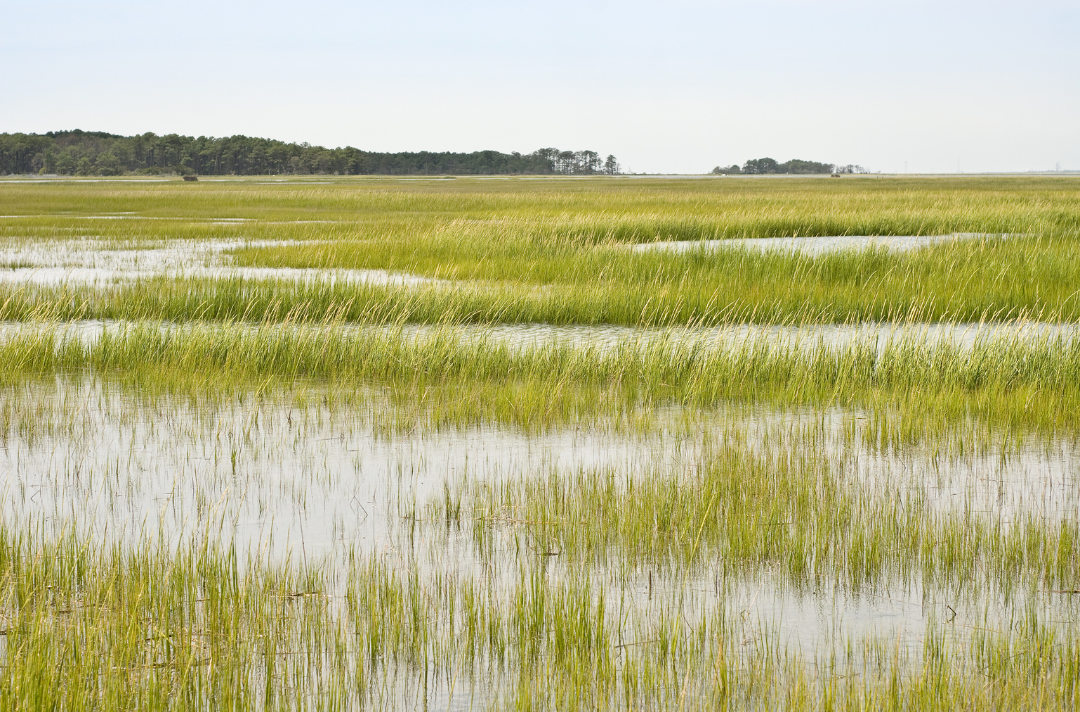
Wetlands and their buffers come next. In Central Florida, jurisdictional wetlands often sit right where the math needed density, and the upland buffers around them take even more usable ground. Open space and amenity requirements add another layer, and they’re frequently written as a fixed share of total acreage.
Stormwater is where the gap is growing fastest. Florida’s updated statewide stormwater rule became fully effective in December 2025. For standard sites, it requires removing 80 percent of total phosphorus and 55 percent of total nitrogen from projected runoff.² Engineers at Pape-Dawson note that developers used to set aside roughly 15 percent of a site for a pond, and under the new standards, in many cases “that’s not going to do it anymore.”²
Why This Hits Land Value
Sophisticated buyers underwrite residual land value from achievable lots, not entitled ones. If a buyer’s engineer concludes the site yields 160 lots, the offer is built around 160, whatever the zoning says.
A landowner who priced the land at 200 lots sees that as a lowball offer. The buyer sees it as the real number. Deals stall in that gap, or they go to retrade after due diligence, which is the worst possible time to find out.
How Smart Landowners Close the Gap
The fix is to know your achievable density before you go to market. That means a preliminary yield study built on the actual constraints: survey, wetland delineation, soils, the drainage outfall, and the specific code requirements of the jurisdiction.
With that study in hand, you can make market-driven decisions. Some sites can recover yield through lot product changes, clustering, or shared stormwater solutions. Others are better positioned for a different use entirely. Either way, you set expectations from the same numbers a buyer will use, and that strengthens your strategic positioning in negotiation.

The Takeaway
Your entitlement tells you what’s allowed. Your site tells you what’s possible. Land value follows the second number, and the landowners who capture the most value are the ones who know it first.
Know What Your Land Can Really Become
Park Lake Development helps landowners understand the development potential of their property before they sell or build. If you want a clear read on what your site can actually yield, start a conversation with our team.
Sources
- National Association of Home Builders, “Government Regulation in the Price of a New Home,” May 2021. nahb.org
- Pape-Dawson Engineers, “Going With the Flow: Navigating Florida’s New Stormwater Requirements.” pape-dawson.com